
One of the hardest things in advertising is resisting the urge to advertise. We’re trained to come up with something new—a new claim, a new story, a new reason to believe. But every once in a while, the smartest thing you can do is pay closer attention to what’s already there.
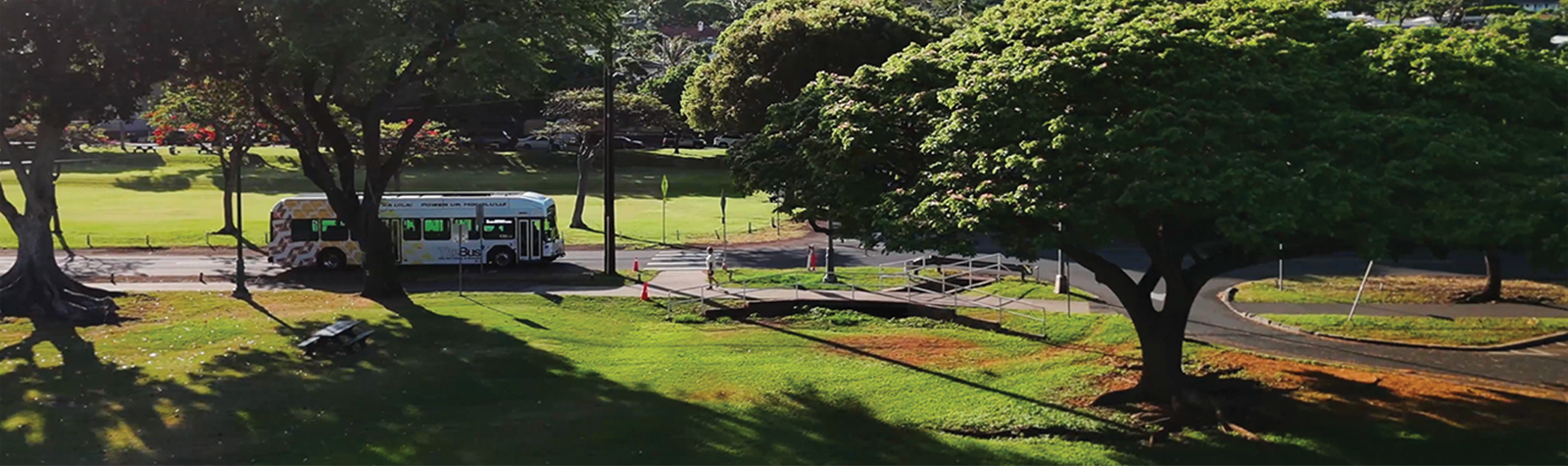
We were recently reminded of that while developing a campaign for Oahu Transit Services and TheBus. Research showed some uncertainty around safety, particularly among people who didn’t ride regularly. The obvious solution would have been a campaign telling people TheBus is safe. Maybe throw in some statistics, talk about training and procedures, add a reassuring announcer voice and call it a day. But the more we listened and observed, the more we realized there was a much more interesting story happening right in front of us.
People on Oʻahu look out for each other. Someone gives up a seat. Someone makes room for a kūpuna. Someone helps a parent with a stroller or notices another passenger could use a hand. Tiny things that happen every day and probably go unnoticed by the people doing them. But put them together and they create something much more powerful than a safety claim. They create a feeling. A sense that even on a bus full of people you don’t know, you’re still part of a community.
That insight eventually became TheBus is OurBus. And it reinforced something we’ve learned over and over: the problem you’re asked to solve isn’t necessarily the story worth telling. Safety was the issue. Community was the idea. There’s a big difference. The same can be true with almost any assignment. A brand may have an awareness problem when the more interesting opportunity is pride. Or a differentiation problem when the answer is some odd little behavior customers share that nobody has ever bothered to notice. The good stuff is often hiding a layer or two underneath the brief.
It also changed how we approached the creative. The culture was already showing up in the way people treated each other. Daniel Aipa of The Kū Project gave the campaign its voice, Jon Spenser and friends created the slack key guitar track, and our partners at RKT Media helped us capture those moments without polishing away what made them real. There’s a little aloha and mālama happening on TheBus every day. We didn’t create that. We just noticed it.
Maybe that’s the point. Sometimes the best thing advertising can do is stop trying so hard to advertise. Pay attention. Find the human truth that’s already there. Then resist the urge to embellish it, explain it or turn it into something it isn’t. TheBus didn’t need us to invent a story about community. The story was happening every day. We just had to notice it—and get out of its way.