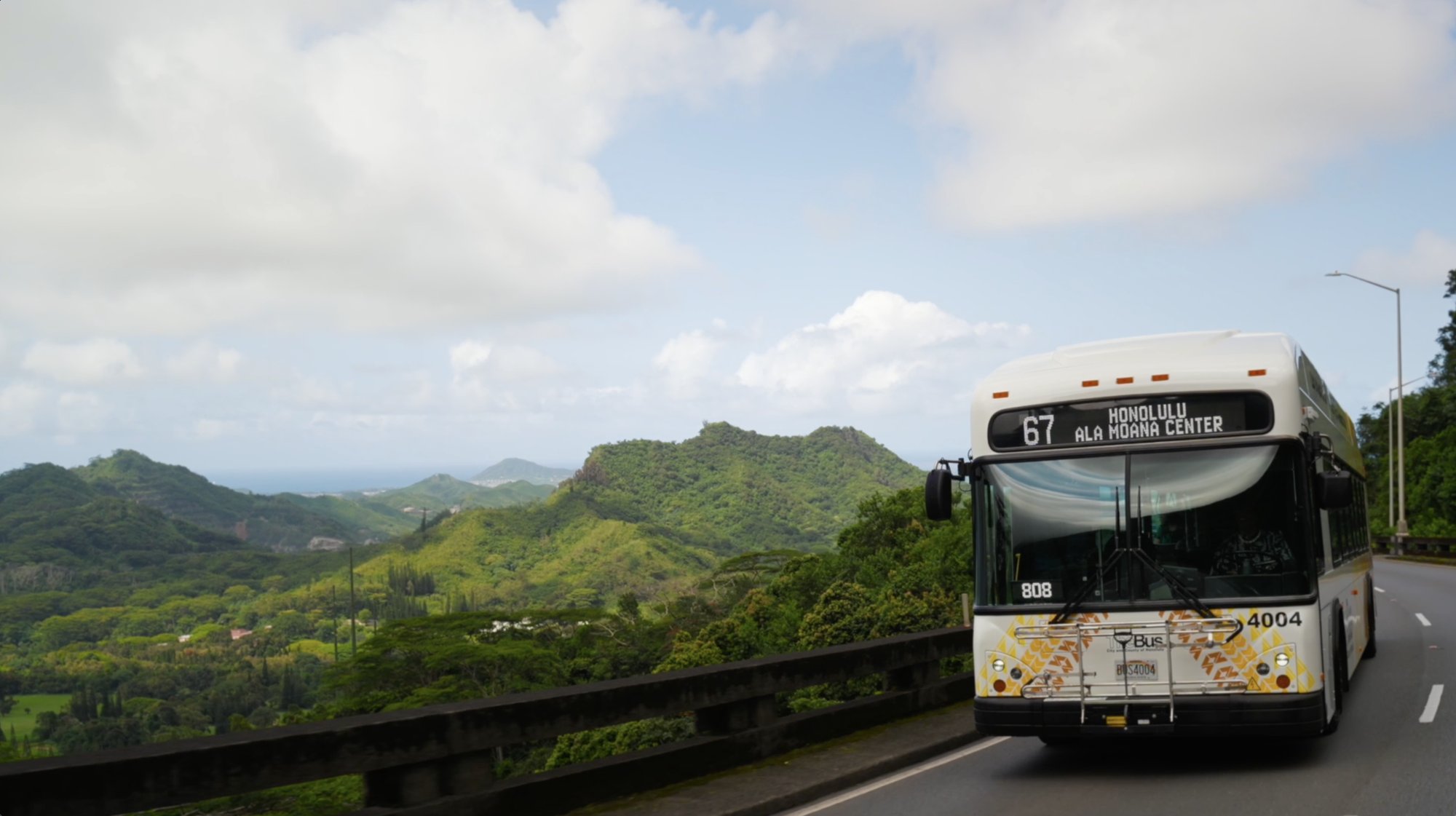
TheBus is the most ridden bus per capita in the US. Oʻahu loves it. But it had no visual brand, no voice, no audience profiles and no advertising. Our job was to give it a voice.
Early results from the first weeks after launch. The campaign is measured and optimized as it runs.
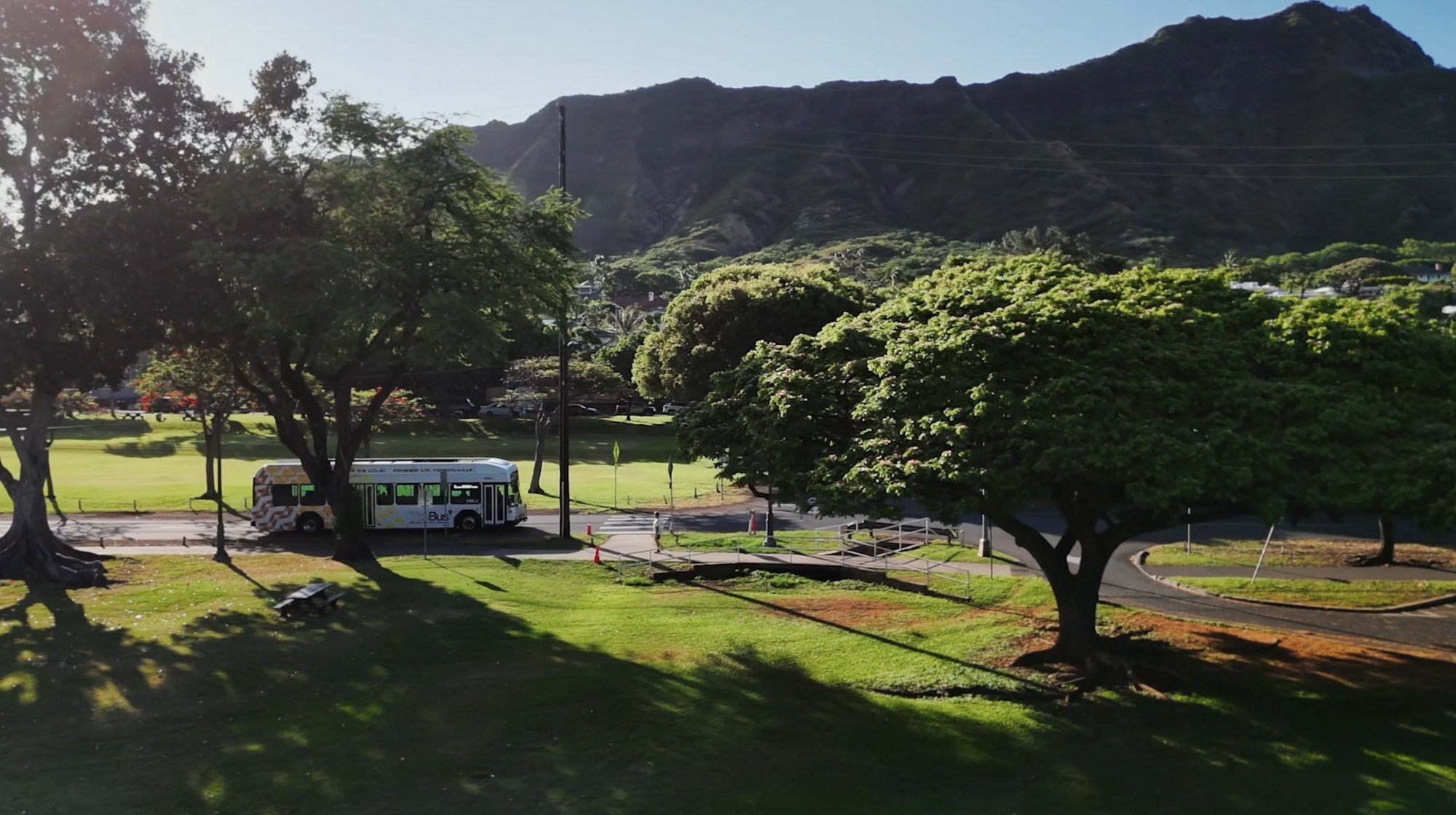
The barrier wasn’t the route. It was the ride.
Research showed that people, especially occasional riders, weren’t sure they’d feel at ease on board. The obvious answer was a safety campaign, with statistics, procedures and a reassuring announcer. But the more we listened, the more we saw a better story.
On Oʻahu, people look out for each other. Someone gives up a seat. Someone makes room for a kūpuna. Someone helps a parent with a stroller. TheBus already belonged to the island. It just had never said so.
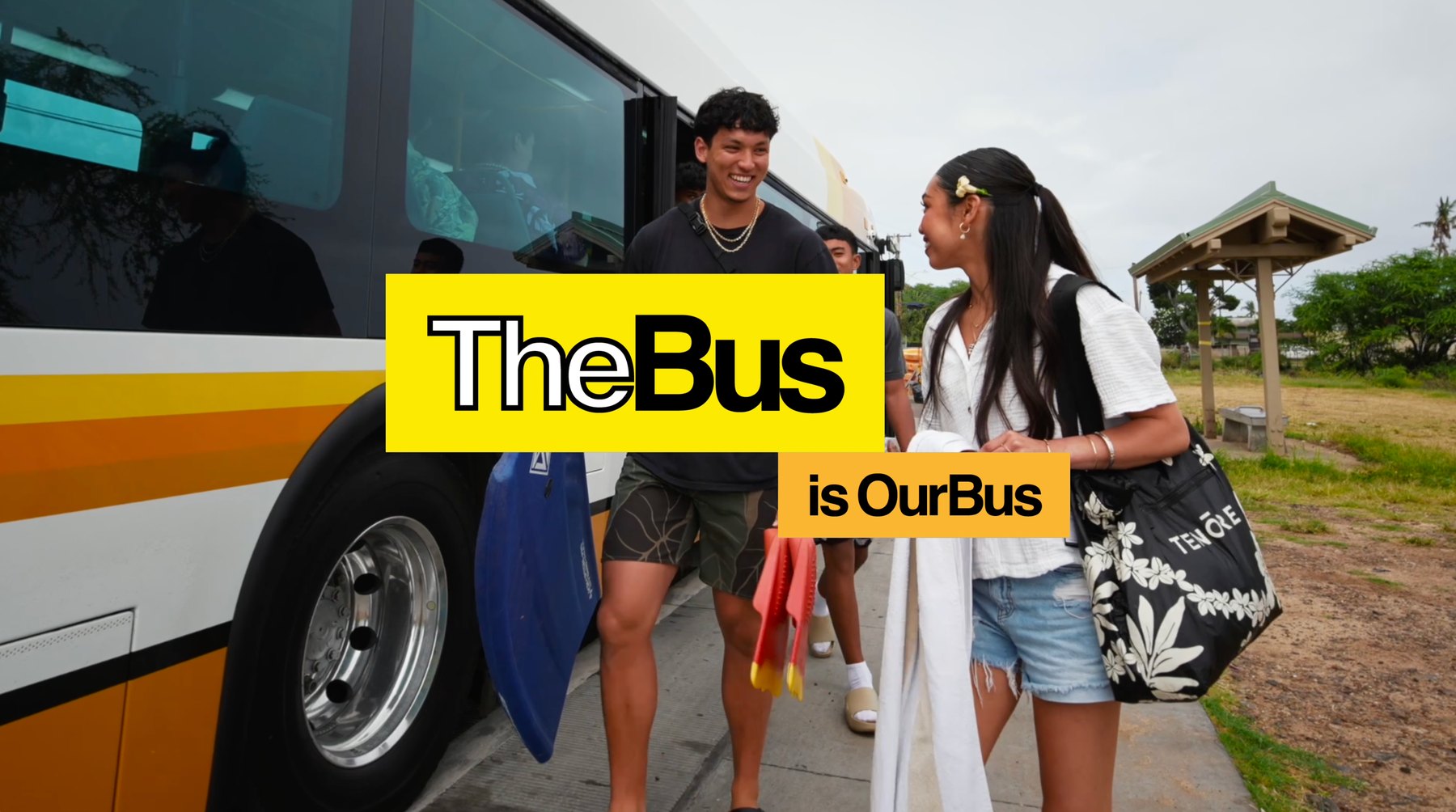
TheBus had a powerful brand, built over decades by the people who ride it. It had just never been captured. TheBus is OurBus gives it a voice, a visual language and messaging, as an evergreen platform built to flex across audiences, channels and years.
There’s a little aloha and mālama on TheBus every day. We didn’t create it. We just noticed it.
The audience wasn’t one audience.
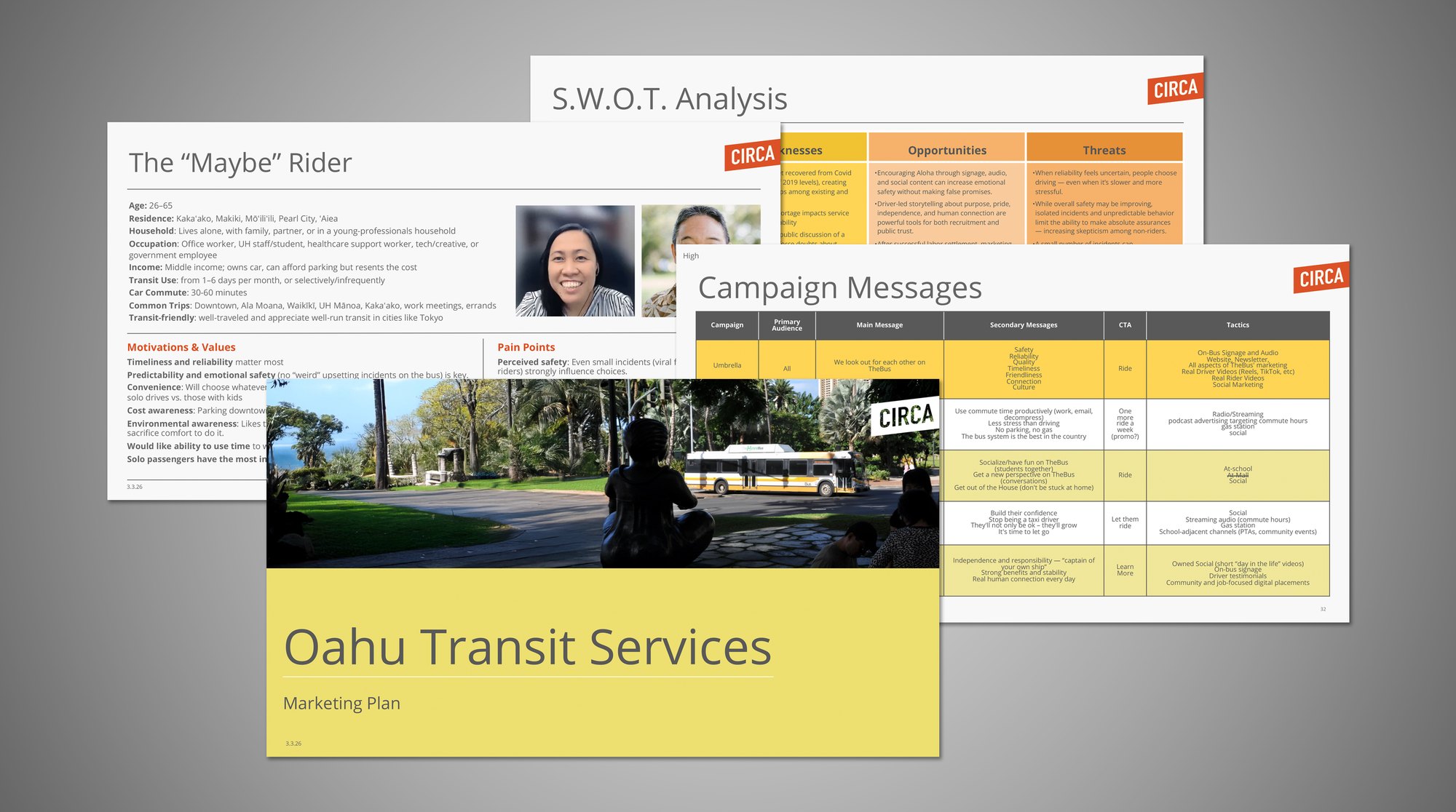
Research, audience personas and a full marketing plan came before a single frame was shot.
Primary and secondary research uncovered what keeps people off TheBus and what gets them on. That became distinct strategies for teens, parents, commuters and future employees, each with its own message, channels and reasons to ride.
Real riders. Local voices. Nothing polished away.
Everyone on screen is a real member of the community. Hawaiʻi-based partners shaped the work from start to finish, and original drone footage and stills give OTS a library of authentic imagery for years to come.
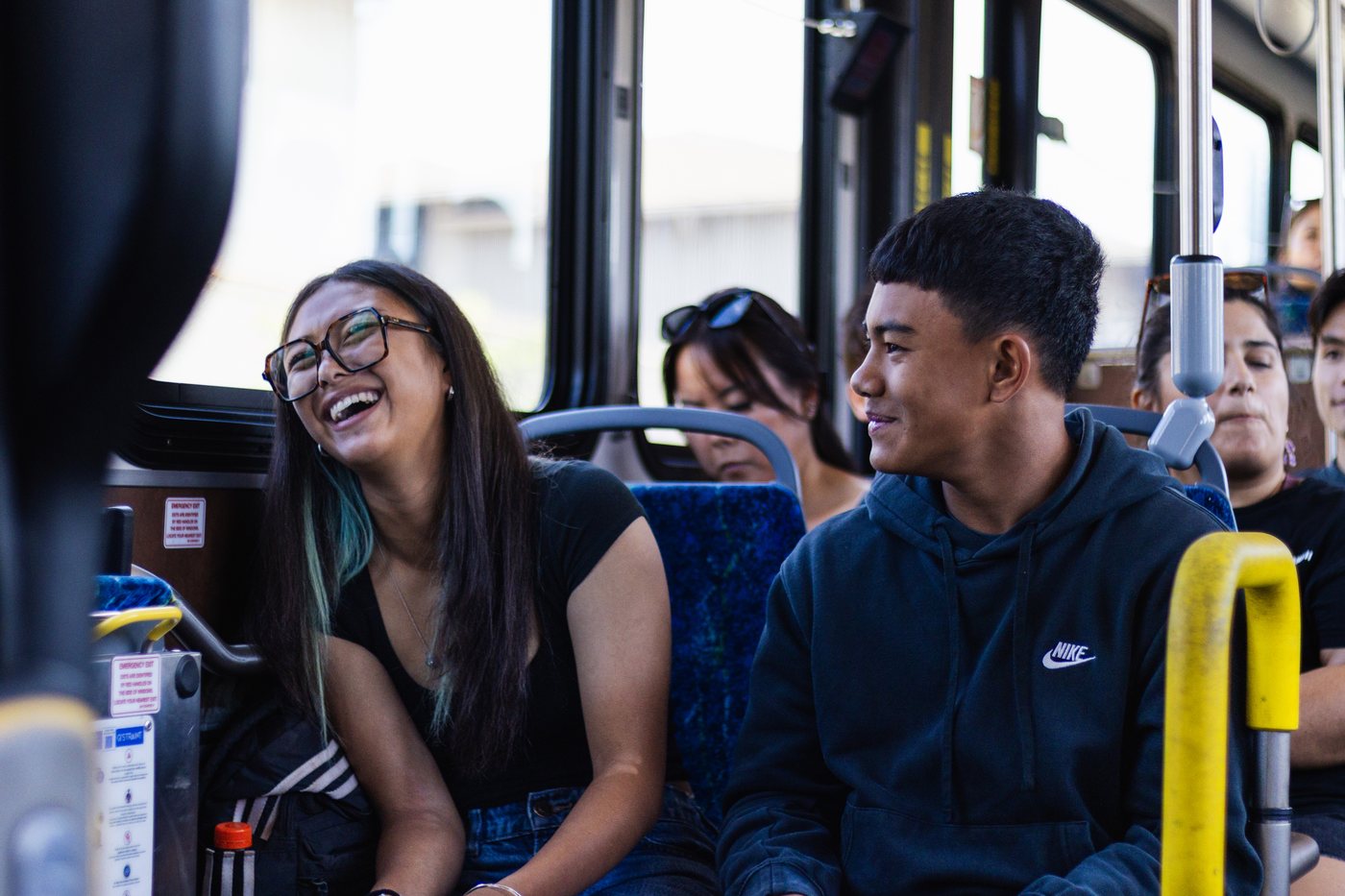
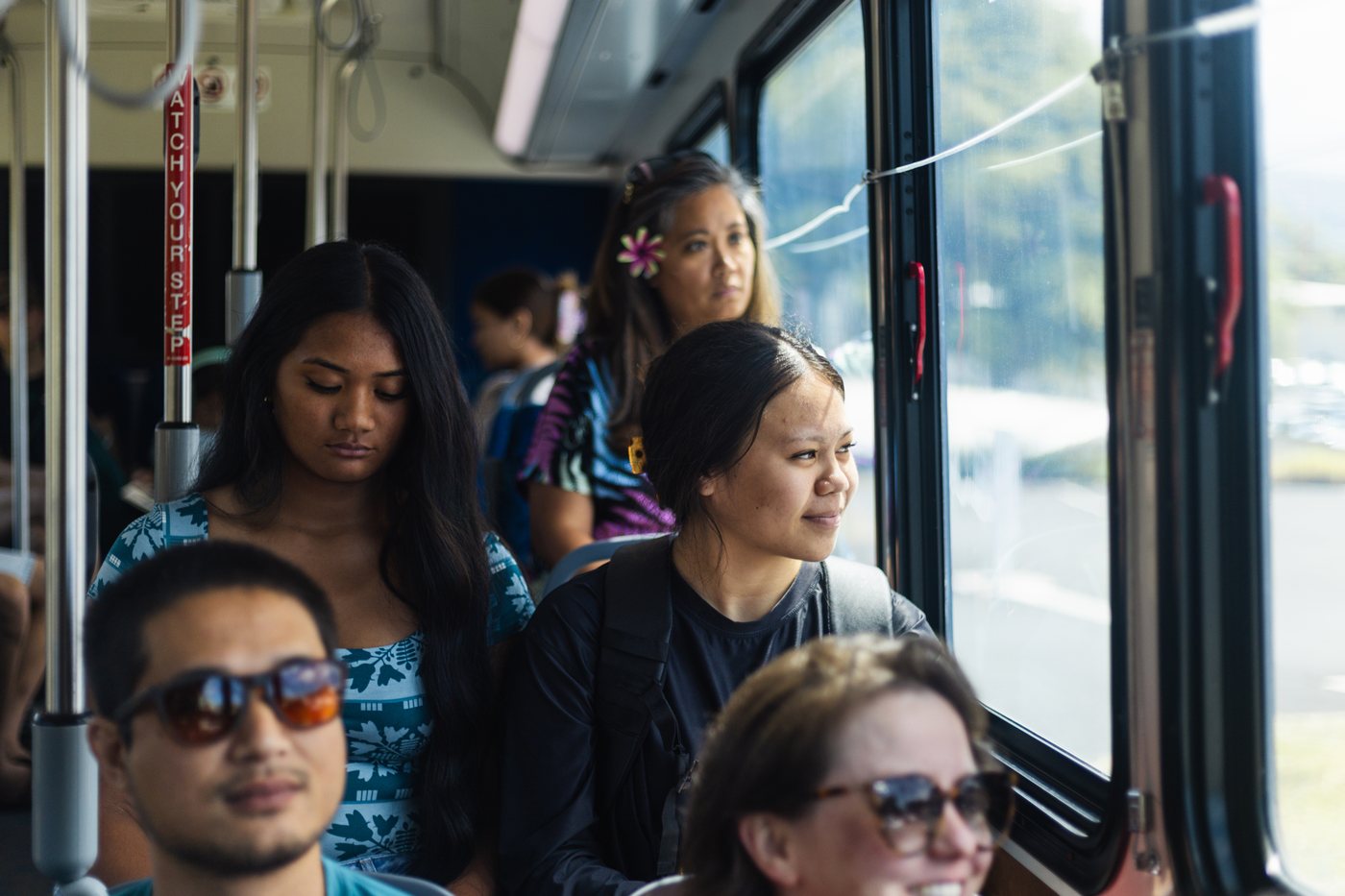
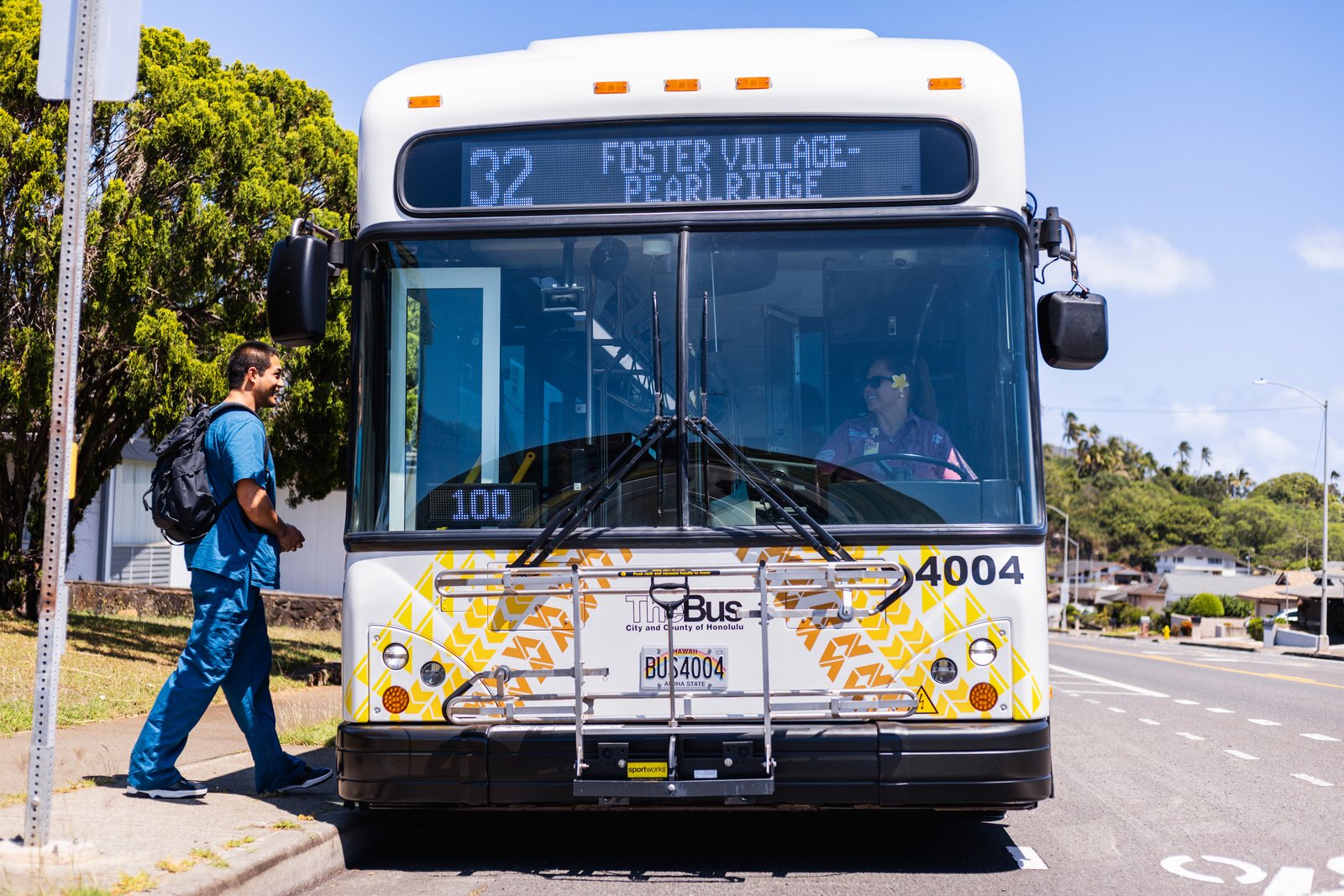
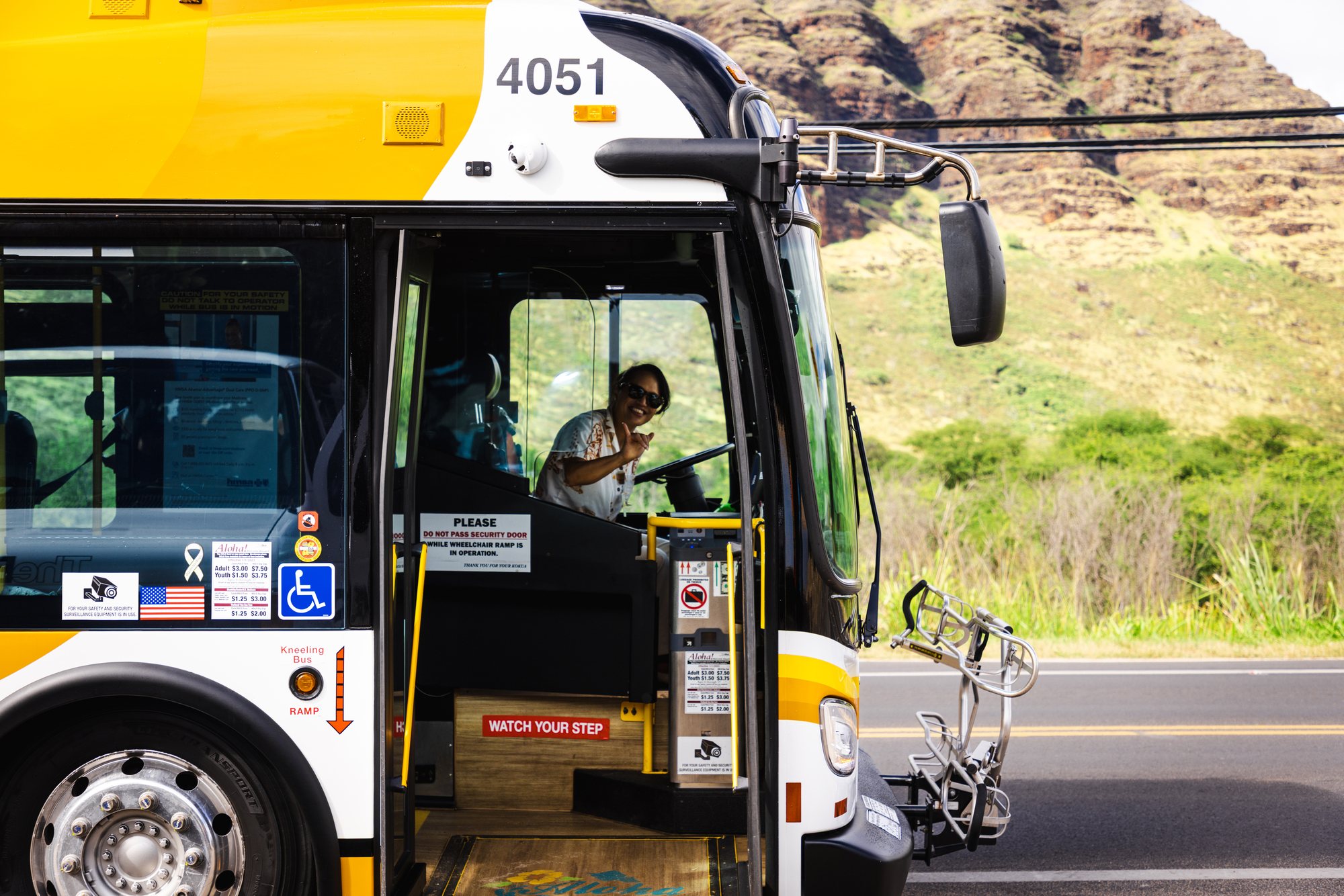
With cultural consultant Kainoa Daines, Daniel Aipa of The Kū Project, Jon Spenser and friends on slack key guitar, and RKT Media.
One bus. Different reasons to ride.
The :90 hero film carries the platform: the culture of care that plays out on TheBus every day. Audience spots carry the reasons, each built on what research showed matters most to that group.
43% of YouTube viewers watch all 90 seconds.
Three spots for teens without a car: meet up, explore, go on your own terms.
Three spots on the confidence kids gain getting there themselves.
Two spots on trading Oʻahu traffic for time to unwind.
In the car. On the bus.
Streaming audio follows the commuter message into the car, offering drivers an alternative to a stressful, expensive drive. On board, car cards bring the new voice and visual identity to the people already riding.
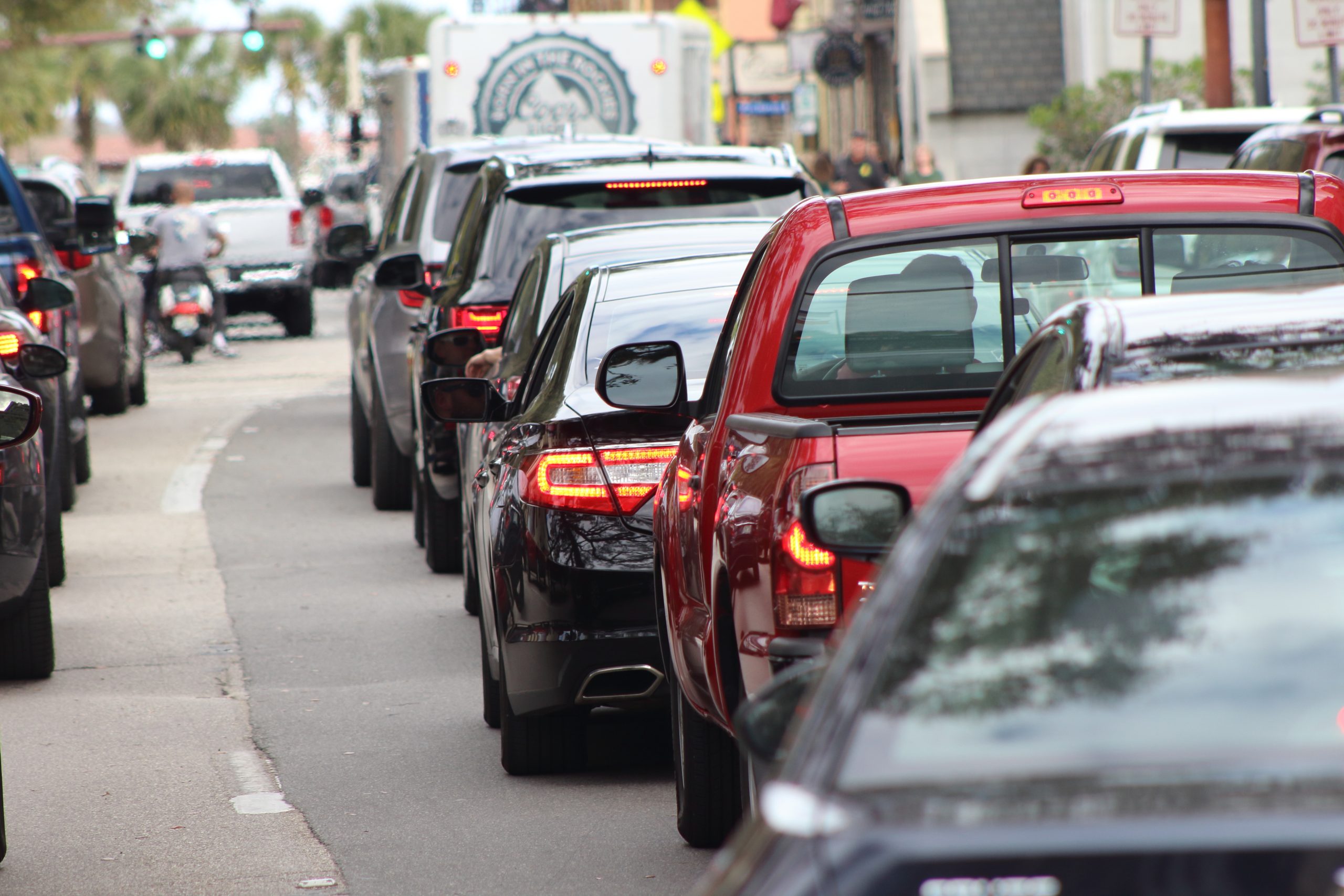
Reaching drivers stuck in traffic
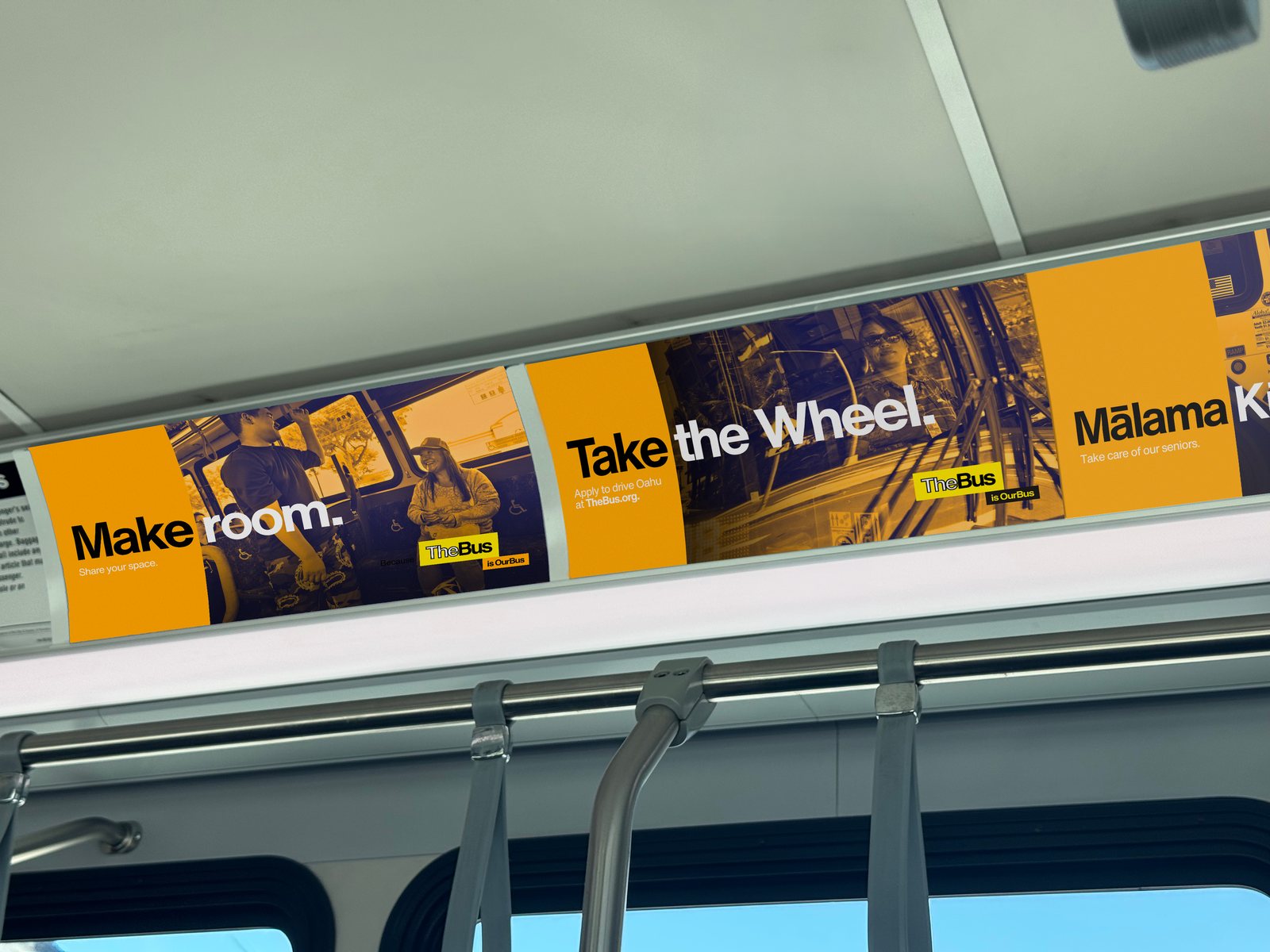
The new voice, where riders sit
“CIRCA has been very professional and a pleasure to work with. We appreciate their expertise and guidance throughout our first media campaign.”
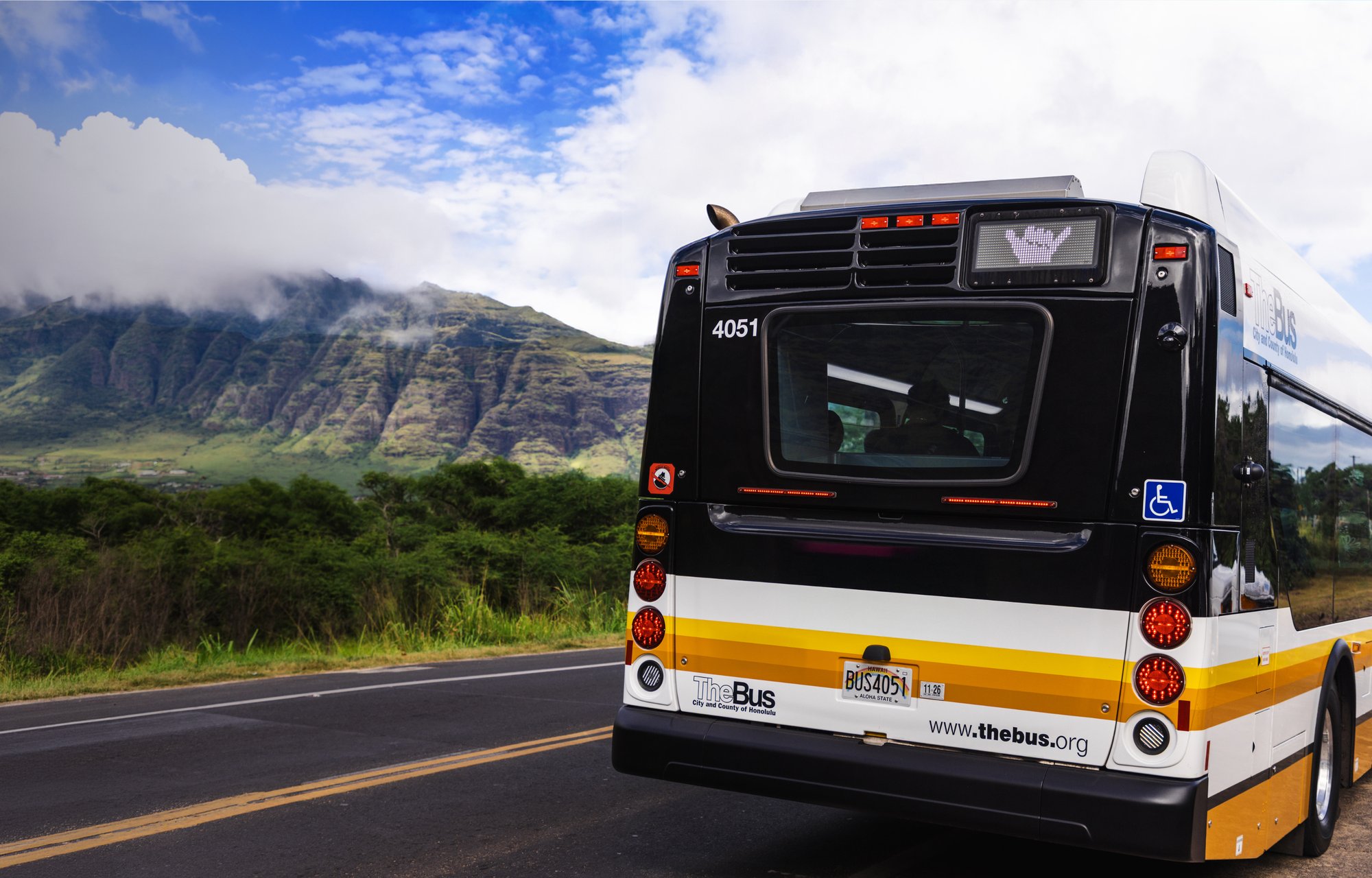
Next stop: recruitment.
An integrated campaign to recruit Operators and Mechanics launches winter 2026–27.
Primary research
Audience personas
Marketing plan
Brand platform
Voice and messaging
Visual language
Film and drone
Photography
Streaming audio
On-board signage
YouTube, Meta, TikTok
Pandora, SoundCloud, Nextdoor
With Cantor Media Group and Ben Her